The high life moves beyond South Mumbai
Date Posted : 2026-11-05
Original Article Link : https://www.mumbaimirror.com/mumbai/the-high-life-moves-beyond-south-mumbai-1706182
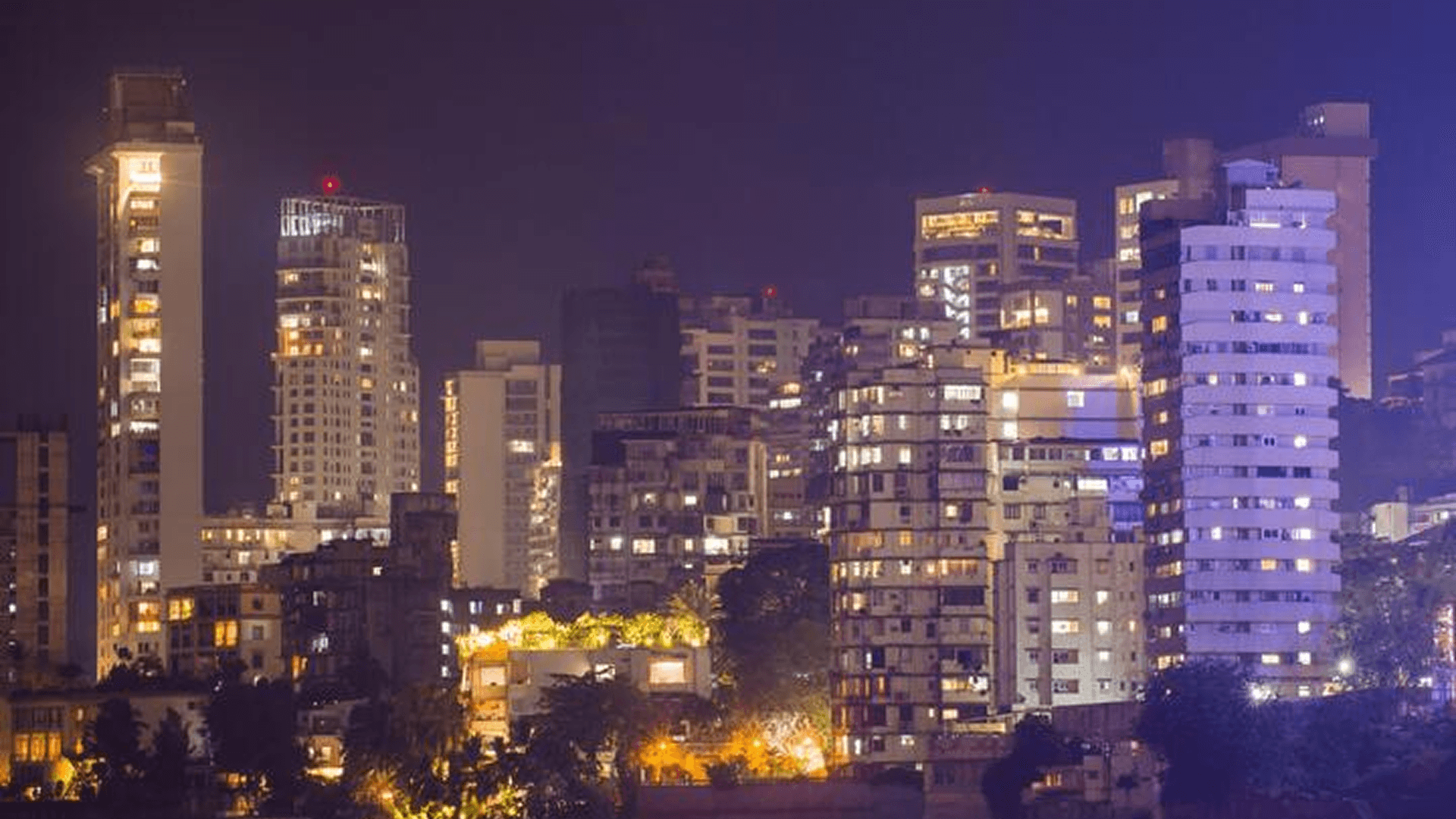
South Mumbai’s old-money charm is facing a new challenge as luxury homebuyers increasingly look beyond traditional postcodes. Suburban townships are emerging as serious contenders for the city’s most coveted addresses, with improved infrastructure and better connectivity making them attractive alternatives for affluent buyers seeking more space and a better quality of life.
However, real estate industry leaders are divided on whether this signals a shift in Mumbai’s luxury housing hierarchy. While some believe the definition of prestige is evolving, others insist that the city’s legacy addresses remain in a league of their own.
Surendra Hiranandani, chairman and managing director of House of Hiranandani, believes luxury homebuyers are increasingly placing a premium on space, wellness and community rather than the prestige of an address.
“South Mumbai’s prestige is not fading. Malabar Hill, Cuffe Parade and Marine Drive have a heritage that no new neighbourhood can replicate and will always attract buyers,” he said.
However, prestige is no longer the only consideration when choosing a home. Affluent families are paying greater attention to design, spacious layouts, parking facilities and amenities such as clubhouses, swimming pools, gyms, sports courts and landscaped gardens, Hiranandani said.
“These are no longer optional extras but an essential part of everyday living. This is why areas such as Borivali, Thane and Chembur are attracting buyers who, a decade ago, may have considered only South Mumbai,” he said.
On whether luxury is now more about lifestyle than location, Hiranandani said location remained important, but improved infrastructure had changed how buyers viewed different parts of the city.
“Earlier, living in the eastern suburbs meant long commutes to South Mumbai. Today, projects such as the Eastern Freeway, Santacruz-Chembur Link Road, the Metro network and Coastal Road have considerably improved connectivity. With the Coastal Road extension towards Bhayandar also under way, more neighbourhoods are becoming accessible,” he said.
Buyers moving to the suburbs are therefore not necessarily compromising on connectivity. Instead, they are gaining access to larger homes, open spaces, clubhouses and sports facilities while remaining connected to business districts. This combination is driving the shift, he said.
Anuj Puri, chairman of ANAROCK, however, believes South Mumbai’s traditional luxury addresses continue to enjoy an unmatched advantage. He argued that location and lifestyle cannot be viewed independently when defining luxury.
“Standalone towers may offer excellent homes and facilities, but they cannot necessarily create high-quality neighbourhoods. Larger developments do not automatically translate into better communities,” Puri said.
For high-end buyers, a prestigious address remains the starting point, with other aspects of luxury built around it, he said. Worli, for instance, works because its location, convenience, privacy and quality of housing complement one another.
While expectations across generations of homebuyers are changing, some buyers remain unwilling to give up addresses whose prestige has been built over decades, Puri added.
Vishal Ratanghayra, founder and CEO of Platinum Corp Group, sees the trend as an expansion of Mumbai’s luxury housing market rather than a decline in South Mumbai’s standing.
“Bandra, Khar, Santacruz, Juhu and Versova are emerging as premium lifestyle destinations. Buyers are increasingly drawn to these neighbourhoods for their design, connectivity, social infrastructure and curated living experiences, beyond the traditional luxury addresses,” he said.
Parthh K Mehta, chairman and managing director of Paradigm Realty, also believes the definition of prestige is changing rather than disappearing.
“Luxury buyers are placing greater importance on wellness, convenience and quality of life. This is leading them to explore well-connected neighbourhoods such as Bandra, where premium developments offer recreational facilities, social spaces and everyday amenities within the complex,” he said.
Aditya Pushkarna, associate director at Banke International Properties, said Mumbai’s luxury housing market was becoming increasingly lifestyle-driven, with buyers looking beyond established addresses.
Improved connectivity was bringing emerging markets such as Thane closer to established business and residential hubs, while larger land parcels were allowing developers to build spacious homes and integrated communities with wellness facilities, recreation areas and open spaces, he said.
Even NRI buyers are increasingly considering amenities, security, convenience and long-term value when making their choices, Pushkarna said. “Luxury is increasingly defined by how people want to live, rather than simply where they live.”
As Mumbai’s luxury housing market expands, homebuyers stand to benefit from a wider choice of locations, larger homes and lifestyle amenities. The question is no longer just where the city’s wealthy choose to live, but what they expect their address to offer.
As the city’s luxury map expands, the real winner may be the homebuyer, who now has more choices than ever before. The question is no longer just where Mumbai’s wealthy live, but what kind of life they want their address to deliver.