Is Borivali Worth Buying Into in 2026? The Honest Investment Case for 2 BHK in Borivali
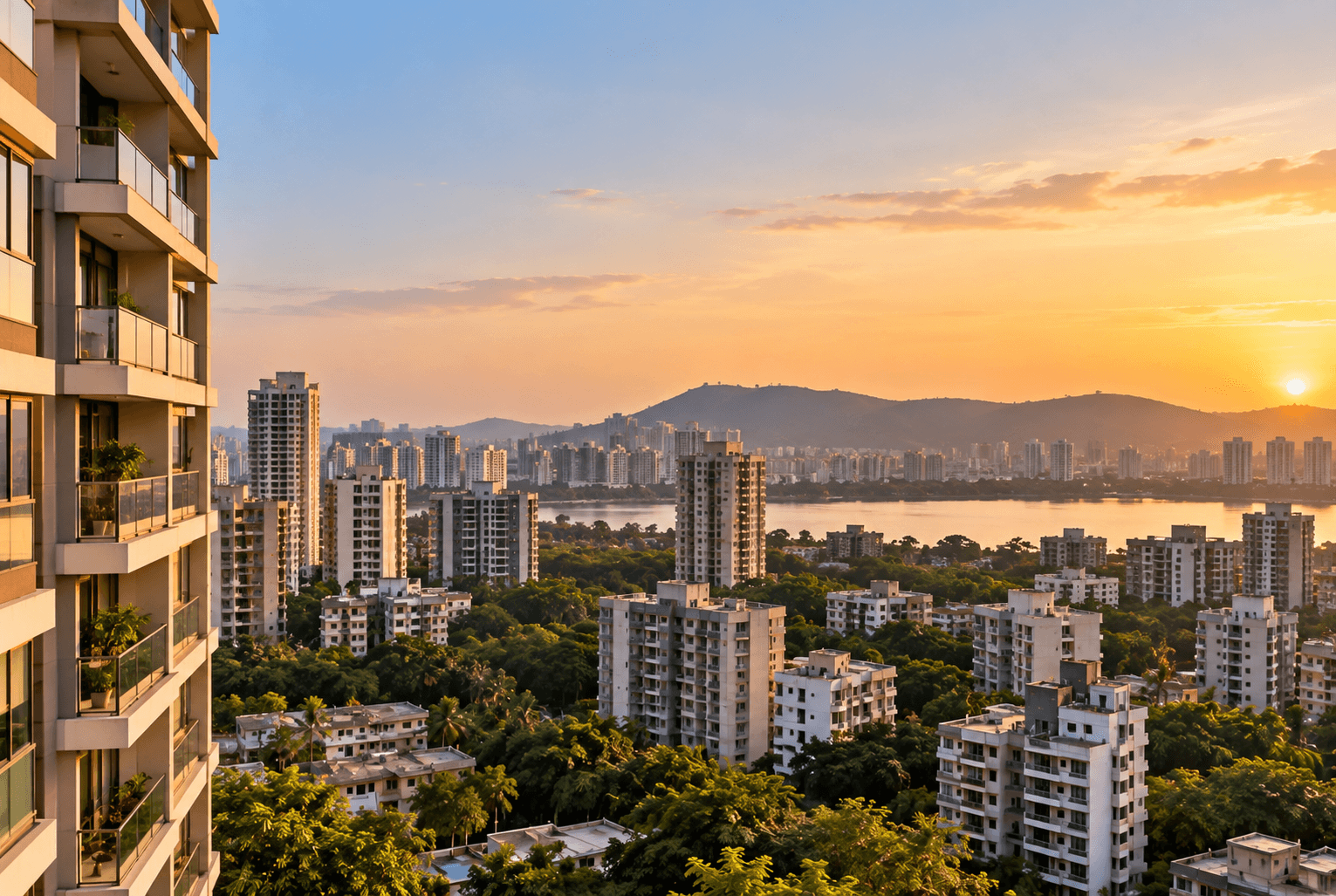
Table of Contents
- Why Borivali Is Still on the Investor's Radar
- What Makes 2 BHK in Borivali an Attractive Segment
- Borivali East vs Borivali West: Where Does the Value Lie?
- Connectivity Is a Major Part of the Investment Case
- How Much Should You Pay for Flats in Borivali?
- Upcoming Residential Projects in Borivali and Future Growth
- The Risks Buyers Should Not Ignore
- Who Should Consider Buying in Borivali in 2026?
- A Practical 2026 Investment Checklist
- The Bottom Line
- FAQs
Why Borivali Is Still on the Investor's Radar
Borivali has changed significantly from the quieter suburban neighbourhood many long-time Mumbai residents remember. It is now a mature residential market with established social infrastructure, multiple transport options, redevelopment activity and continued demand from families and working professionals.
But there is an important distinction between saying that Borivali is a good locality and saying that every property in Borivali is a good investment. Those are two very different things.
In 2026, buyers need to look beyond the locality's reputation. The real questions are more practical: What are you paying per square foot? How usable is the apartment? Is the building well maintained? How close is it to public transport? What is the rental demand? And does the property's price leave enough room for future growth?
That is where the investment case for Borivali becomes more interesting.
The suburb offers something increasingly difficult to find in Mumbai: a relatively established urban ecosystem combined with access to large green spaces. Its proximity to Sanjay Gandhi National Park adds a lifestyle advantage, while the Western Railway, Western Express Highway, Link Road and metro connectivity support everyday mobility.
Current portal indicators also place average Borivali apartment prices in the mid-₹20,000-per-sq.-ft. range. MagicBricks reported approximately ₹24,530 per sq. ft. for multistorey apartments in Q2 2026, while Housing.com reported approximately ₹25,208 per sq. ft. in its 2026 Borivali price data. These figures are broad indicators, not guaranteed transaction prices, and actual prices can vary considerably by micro-location and property quality.
For an investor, that variation is precisely why research matters.
What Makes 2 BHK in Borivali an Attractive Segment
The 2 BHK segment occupies an important position in Mumbai's residential market because it serves more than one type of buyer.
A couple may buy one as their first family home. A growing family may upgrade from a 1 BHK. An investor may prefer it because the potential tenant pool can include working professionals, couples and small families.
This creates a broader demand base than some larger configurations.
When comparing 2 BHK flats in Borivali, however, do not compare properties simply by the number of bedrooms. Carpet area, layout efficiency and location can make two similarly priced apartments completely different propositions.
For example, a compact 2 BHK with poorly planned passages may provide less usable living space than a slightly smaller apartment with a more efficient layout. Similarly, an apartment closer to the railway station or metro may command stronger tenant interest than one with a larger carpet area but inconvenient access.
Look at:
- RERA carpet area
- Price per carpet sq. ft.
- Floor and building age
- Parking availability
- Natural light and ventilation
- Distance from railway and metro stations
- Monthly maintenance
- Quality of construction
- Society condition
- Resale demand
For investors, liquidity matters. A property that appeals to a broad pool of future buyers and tenants can be easier to exit than an unusually configured or heavily premium-priced apartment.
Borivali East vs Borivali West: Where Does the Value Lie?
There is no universal answer to whether Borivali East or West is better. The more useful question is which side fits the intended use of the property.
Borivali West has traditionally benefited from established residential neighbourhoods, local markets, schools, restaurants and proximity to the Western Railway station. Metro Line 2A has strengthened public transport connectivity on this side of the suburb.
Borivali East has a different advantage. Its proximity to the Western Express Highway makes it particularly relevant for people who travel towards Goregaon, Andheri and other employment centres by road. Metro Line 7 also adds connectivity to the eastern side of the western suburbs.
For an investor, this difference matters because tenant demand can be influenced by commuting patterns.
Factor | Borivali East | Borivali West |
| Road connectivity | Strong access to Western Express Highway | Strong access through Link Road and SV Road |
| Rail connectivity | Borivali station accessible depending on location | Direct proximity to Borivali station in several pockets |
| Metro | Metro Line 7 network | Metro Line 2A |
| Established markets | Strong | Strong |
| Residential character | Mix of established areas and redevelopment | Established residential and commercial ecosystem |
| Suitable for | Highway-oriented commuters and selected residential pockets | Buyers prioritising rail, metro and established neighbourhoods |
Instead of assuming one side will automatically appreciate faster, compare individual properties within their micro-markets.
A building five minutes from a station, for instance, may have a very different investment profile from another property technically located in the same suburb but requiring multiple modes of transport to reach the station.
Connectivity Is a Major Part of the Investment Case
Mumbai property prices are closely tied to connectivity because commuting time directly affects where people are willing to live.
Borivali benefits from several established transport corridors. The Western Railway provides suburban rail access, while the Western Express Highway connects the eastern side of the suburb towards major employment zones. Link Road and SV Road provide additional north-south movement.
Metro connectivity has further expanded the options available to residents.
Metro Line 2A connects Borivali West with the wider western suburban metro network, while Metro Line 7 connects Dahisar East towards Andheri East. These corridors are particularly relevant for buyers whose daily commute does not align perfectly with the railway network.
There are also larger infrastructure proposals that could affect future accessibility, including the Thane-Borivali tunnel project. But investors should be careful here.
A common property-buying mistake is paying a premium today solely because a future infrastructure project has been announced.
The safer approach is to separate infrastructure into three categories:
- Already operational: something you can use today.
- Under construction: potentially valuable, but subject to timelines and execution.
- Announced or proposed: a possibility rather than a guaranteed benefit.
Future infrastructure can strengthen a property's long-term appeal, but it should not be the only reason to buy.
How Much Should You Pay for Flats in Borivali?
Price is where an investment decision becomes personal.
A locality can have strong fundamentals, but paying too much can reduce the potential upside. Conversely, a reasonably priced property in a good micro-location may have better long-term prospects even if it does not have the newest amenities.
The current broad market indicators give buyers a starting point, but they should not be treated as a valuation certificate.
When comparing Flats in Borivali, calculate the effective cost using the carpet area rather than relying on the headline price.
For example, imagine two 2 BHK properties:
- Property A costs ₹2.20 crore and has a larger quoted area but a relatively inefficient layout.
- Property B costs ₹2.30 crore but offers better carpet-area efficiency, parking, stronger connectivity and a better-maintained building.
The second property may appear more expensive, but the actual comparison needs to consider usable space and the complete ownership cost.
Your calculation should include:
- Agreement value
- Stamp duty
- Registration
- GST where applicable
- Brokerage, if any
- Home loan charges
- Parking charges
- Interior expenditure
- Society deposits or related charges
- Immediate repair or renovation costs
This is particularly important in Mumbai, where the difference between the advertised price and the actual acquisition cost can be substantial.
Upcoming Residential Projects in Borivali and Future Growth
Redevelopment and newer construction are changing the residential landscape of Borivali.
For buyers evaluating upcoming residential projects in Borivali, the attraction is understandable. New developments can offer modern layouts, newer amenities, contemporary building systems and potentially better use of limited land.
However, newer does not automatically mean better investment value.
A new project may carry a substantial launch or development premium. Meanwhile, an older building in a strategically located pocket may offer a lower entry price and an established neighbourhood ecosystem.
For under-construction projects, conduct additional due diligence before making a booking.
Check:
- MahaRERA registration
- Promoter details
- Registered project address
- Proposed possession date
- Construction progress
- Uploaded approvals and documents
- Quarterly project updates
- Complaints and orders, where available
- Exact carpet area
- Payment schedule
- Cancellation terms
MahaRERA should be treated as a starting point for verification, not merely a box to tick.
The same principle applies to redevelopment. Ask what stage the redevelopment has actually reached rather than relying on verbal statements about what the building "will become."
A proposed redevelopment and an approved, documented redevelopment are not the same thing.
The Risks Buyers Should Not Ignore
The honest investment case for Borivali also includes the risks.
First, entry prices have already risen substantially over the years. This means investors should not assume that historical appreciation will automatically repeat at the same pace.
Second, micro-market differences can be significant. A property near major transport infrastructure may behave differently from one located deeper inside a residential pocket.
Third, Mumbai's older buildings require careful inspection. Water seepage, structural maintenance, lift condition, parking arrangements and society finances can affect both ownership costs and resale demand.
Fourth, rental yields should be calculated realistically.
Do not simply hear an expected monthly rent from a broker and divide it by the purchase price. Account for vacancy, maintenance, property taxes, brokerage, repairs and the actual amount a tenant is willing to pay for comparable properties.
Finally, liquidity should not be overlooked. Real estate is not an investment that can always be exited quickly at the desired price.
The best-looking return on paper means little if the property takes a long time to sell or requires a significant price negotiation.
Who Should Consider Buying in Borivali in 2026?
Borivali can make practical sense for several types of buyers.
It can suit families looking for established schools, healthcare, retail and recreational facilities. It can also work for professionals who need access to western suburban employment centres and want multiple commuting options.
For investors, the strongest case is usually based on a combination of rental demand, resale liquidity, location quality and reasonable entry pricing rather than appreciation alone.
A buyer should be particularly cautious if the purchase depends on one assumption, such as:
- "The metro will double prices."
- "This area will definitely appreciate 20% every year."
- "The redevelopment will happen soon."
- "The broker says I can sell it for much more later."
- "The entire suburb is going up, so any property will work."
None of these assumptions should replace property-level research.
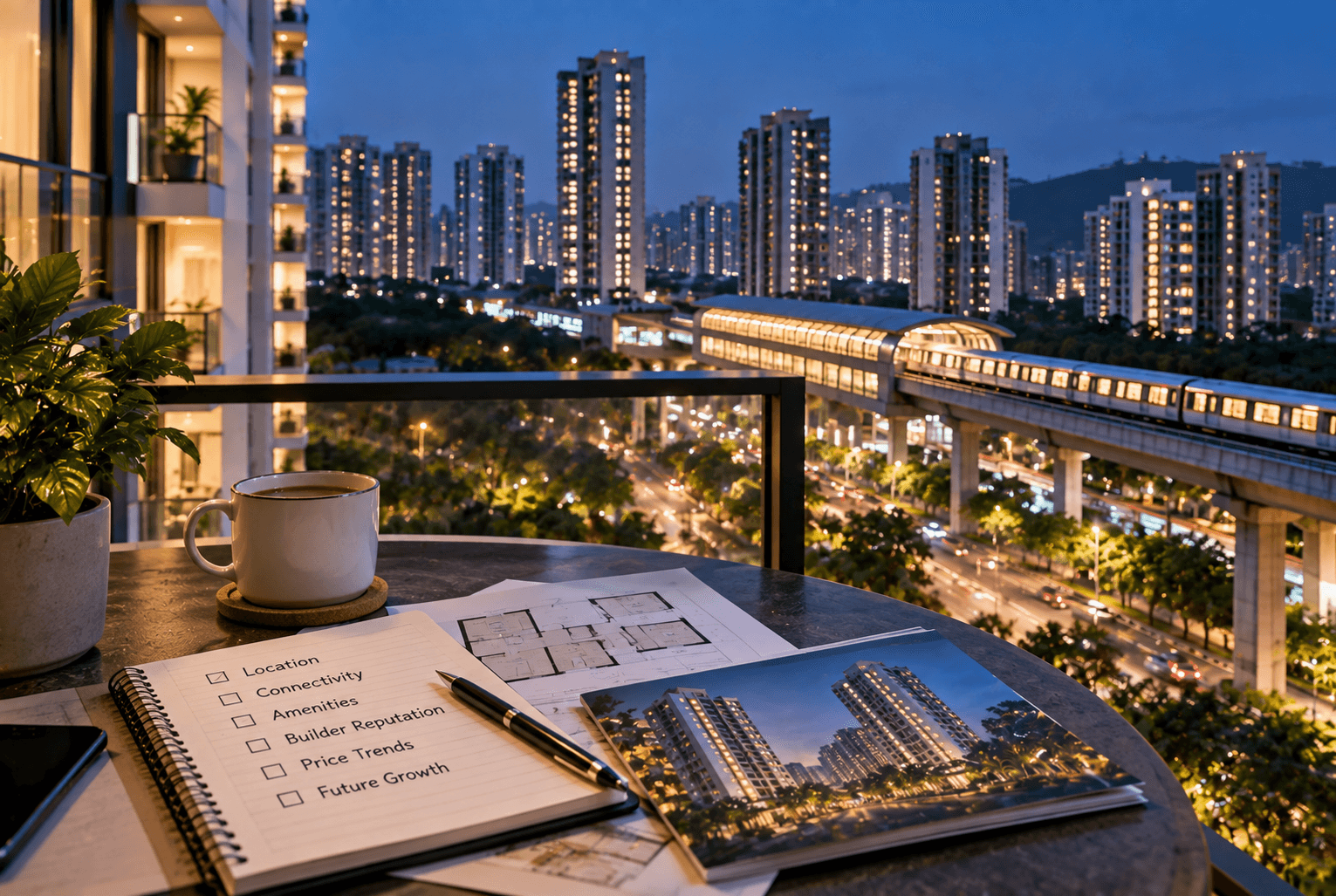
A Practical 2026 Investment Checklist
Before committing to a property, evaluate it from five angles.
Investment factor | What to check | Why it matters |
| Location | Station, metro, highway, schools and daily conveniences | Influences end-user and tenant demand |
| Price | Effective carpet-area rate and comparable properties | Determines your entry point |
| Property | Layout, age, condition, parking and maintenance | Affects usability and resale |
| Legal | Title, approvals, MahaRERA and society documents | Reduces transaction risk |
| Future | Redevelopment and infrastructure status | Can influence long-term demand |
Then perform one final test: would you still want to own this property if prices remained broadly flat for several years?
That question is surprisingly useful.
If the answer is no, you may be relying too heavily on an appreciation assumption.
If the property still works because it offers a convenient location, practical layout, strong connectivity and comfortable ownership costs, the investment thesis is based on more than speculation.
The Bottom Line
Borivali's investment story in 2026 is not simply about rising property prices. Its strength lies in the combination of established infrastructure, suburban rail connectivity, metro access, road networks, social infrastructure, redevelopment activity and proximity to one of Mumbai's most significant green spaces.
But the suburb should not be treated as a single homogeneous market.
For someone evaluating a 2 BHK in Borivali, the individual property can matter more than the headline locality. A well-located, efficiently planned apartment with sensible pricing can have a very different investment profile from an overpriced property that happens to have a Borivali address.
The same applies to new developments. Upcoming residential projects in Borivali may offer modern homes and future potential, but buyers should verify regulatory information, construction progress, pricing and the actual fundamentals of the location.
Ultimately, the strongest approach is straightforward: compare multiple properties, calculate the complete acquisition cost, inspect the neighbourhood at different times, verify documentation and assess the property against realistic rental and resale scenarios.
Borivali may continue to benefit from Mumbai's long-term demand for well-connected residential neighbourhoods. But in 2026, the smarter question is not simply whether Borivali is worth buying into.
It is whether the specific property, at the specific price, makes sense for your financial goals and holding period.
Latest Blogs
Blog
2026-10-04
The 2026 Buyer's Guide to Flats in Borivali: What to Check Before You Sign
Table of ContentsWhy Borivali Continues to Attract HomebuyersBorivali East vs Borivali West: Which Fits Your Lifestyle?Understanding Prices Before You...
Blog
2026-10-04
Wake Up to Nature Every Day: Why Flats in Borivali Offer a Greener Mumbai L...
Table of ContentsWhy Borivali Stands Apart in MumbaiThe Sanjay Gandhi National Park AdvantageWhy Flats in Borivali Appeal to Modern HomebuyersConnecti...
Blog
2026-10-04
Is Borivali Worth Buying Into in 2026? The Honest Investment Case for 2 BHK...
Table of ContentsWhy Borivali Is Still on the Investor's RadarWhat Makes 2 BHK in Borivali an Attractive SegmentBorivali East vs Borivali West: W...
Blog
2026-10-04
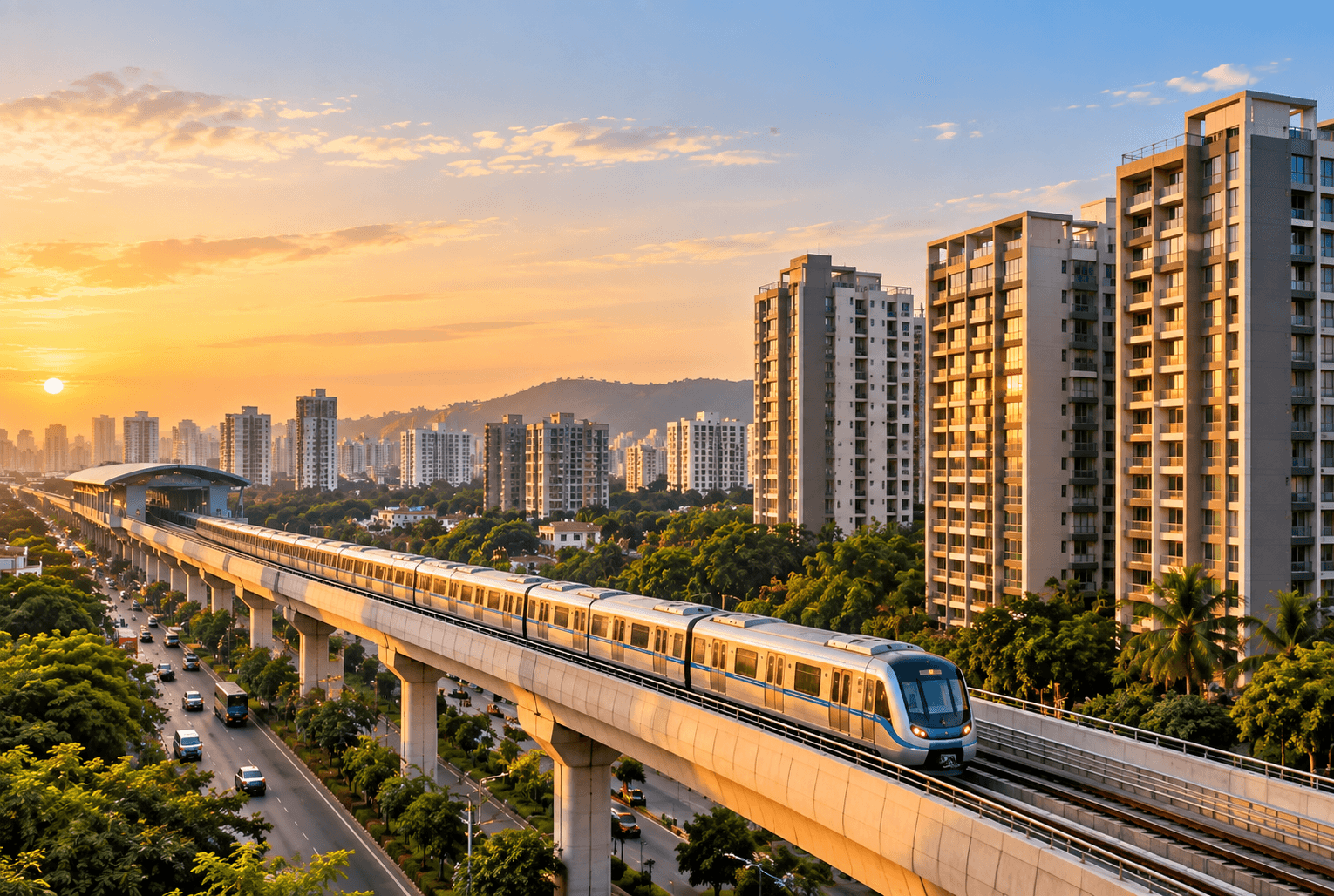
The Metro Effect on 2 BHK in Borivali: How New Lines Are Reshaping Property...
Table of ContentsWhy Metro Connectivity Is Changing Borivali Real EstateThe Metro Network Around Borivali in 2026How Metro Access Is Influencing Flats...
Blog
2026-09-25
Chembur Price Trends Decoded: What Current Rates Mean for Buyers Exploring ...
Table of ContentsChembur Property Prices in 2026: Where the Market StandsWhat Is Driving Chembur Property Prices?How Much Should You Pay for Flats in ...
Blog
2026-09-25
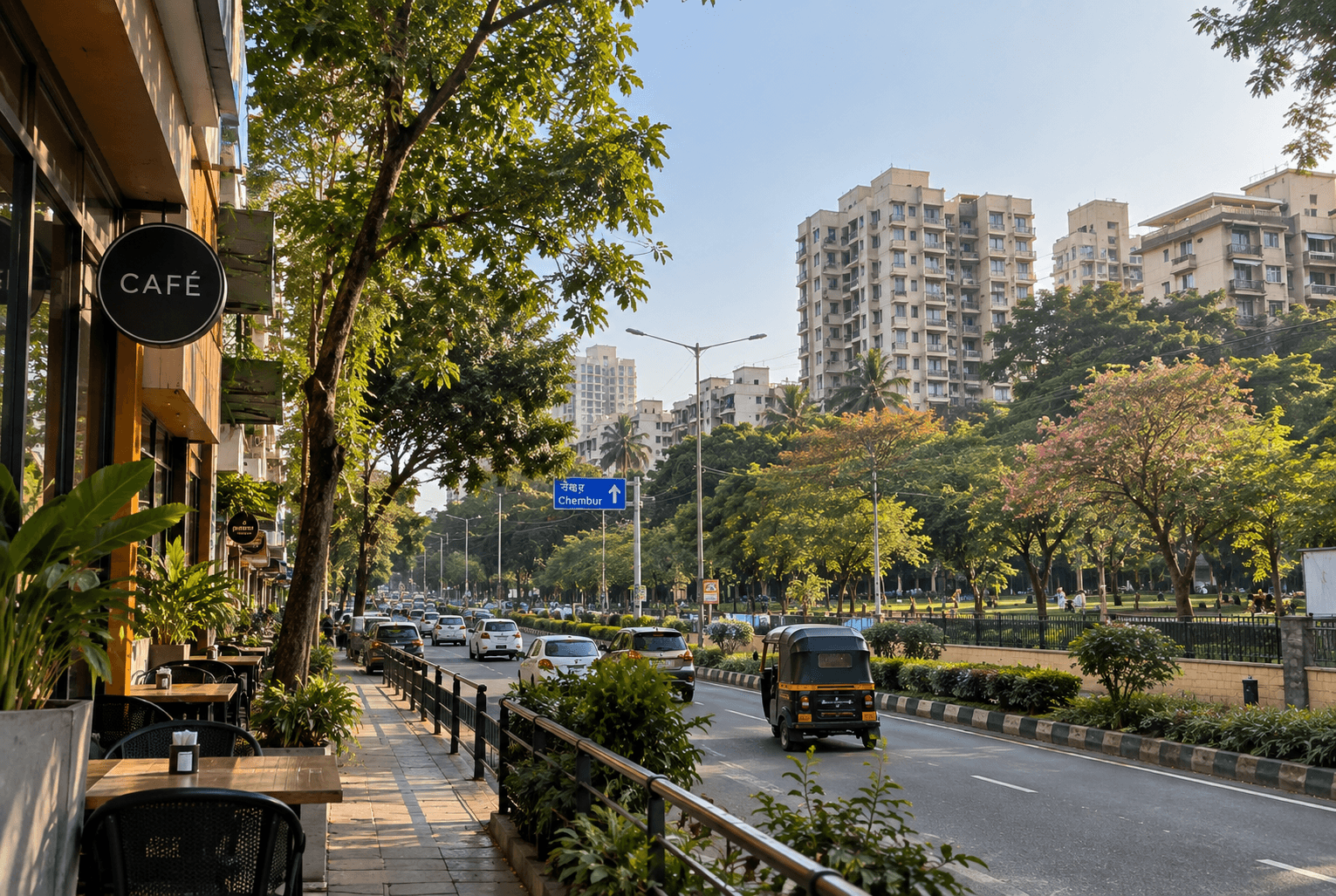
A Local’s Map of Chembur: Best Schools, Cafés & Green Escapes for Everyday ...
Table of ContentsWhy Chembur Feels Different When You Live HereSchools and Colleges Near Properties in ChemburCafés, Restaurants and Social Life in Ch...