Why the New Goregaon-Oshiwara Flyover Made Buying Flats in Oshiwara a Smarter Move
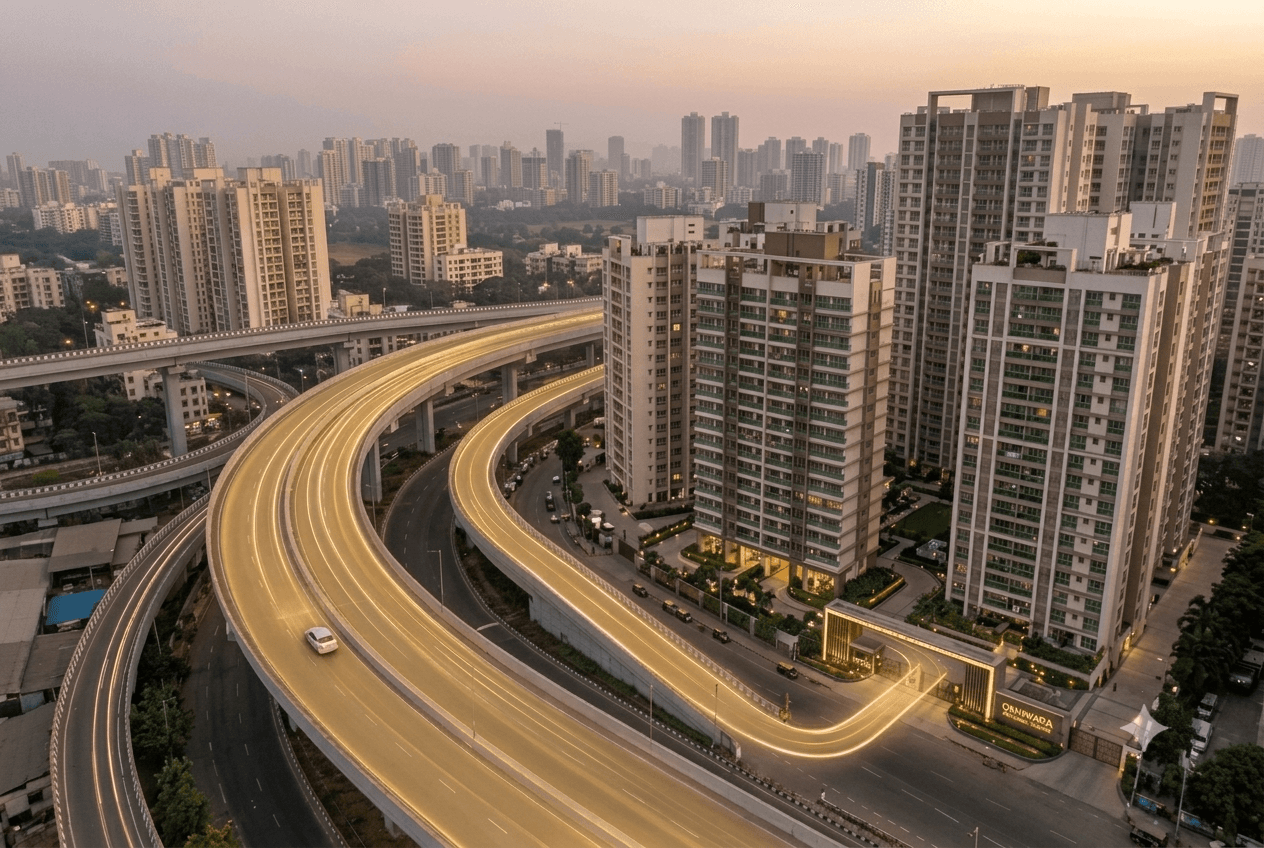
If you have spent any time stuck between Ram Mandir and Goregaon during peak hours, you already know the pain. Thirty minutes to cover a stretch you could walk in fifteen. That changed on June 6, 2026, when the BMC opened the extended Mrinal Tai Gore Flyover to public traffic, and it had real implications for anyone considering flats in Oshiwara.
I had watched this neighbourhood evolve over the last decade, from a quiet extension of Andheri West into one of the busier mid-income to premium residential belts on the western line. Infrastructure projects like this one tended to move the needle on both liveability and resale value, and the completion of the flyover made it worth understanding exactly why.
The Flyover That Changed the Commute Math
The original Mrinal Tai Gore Flyover opened in 2016, but it had always had an unfinished feel to it. Drivers would glide over the main span only to hit a wall of traffic the moment they exited onto local roads. That gap was finally closed with the completion of the extension.
The new extension added two approach arms, each roughly 390 metres long, creating a full 750-metre four-lane stretch that linked Ram Mandir Road directly with Goregaon. The project was built by the BMC through the MEPL-Gyan joint venture, at a final cost of around Rs 248 crore, up from the initial estimate of Rs 209 crore.
Here is the number that mattered most to residents: a commute that had previously taken 30 to 40 minutes through three of the worst signals on SV Road could now be completed in about five minutes. That was not a marginal improvement. It represented a structural change in how connected Oshiwara felt to the rest of the western suburbs.
Why Apartments in Oshiwara Started Getting a Second Look
Every time Mumbai added a piece of connective infrastructure like this, I saw the same pattern play out. Areas that had previously been seen as slightly inconvenient suddenly became more viable for people who worked in Andheri, Goregaon, or even further along the Western Express Highway.
That was exactly the shift that apartments in Oshiwara started experiencing after the flyover became operational. A few reasons made this development important beyond just faster commutes:
- Reduced congestion on SV Road and Link Road made daily errands, school runs, and evening outings noticeably less stressful.
- Better east-west connectivity brought Oshiwara functionally closer to both Goregaon East and the WEH corridor.
- Developers were better positioned to launch larger, more amenity-rich projects, which could raise the overall quality bar in the micro-market.
- Rental demand could strengthen in areas with improved connectivity, since working professionals actively looked for shorter and more predictable commute times.
None of this was expected to happen overnight. But having tracked similar flyover and metro openings across Mumbai, the pattern of gradual price appreciation and stronger rental demand over 18 to 36 months had generally been consistent.
What Actually Changed on the Ground
Beyond the traffic relief, the BMC had used this project to address a few genuine local concerns. The flyover passed close to residential buildings and also ran near local crematoriums and burial grounds, which had contributed to delays during the project. Community representatives had asked for design changes so local access would not be cut off, and the BMC responded by adding an extra underpass.
The completed structure also included:
- Dedicated pedestrian paths, which were missing from many older flyover designs in the city
- Noise barriers along the stretch closest to residential buildings to reduce engine noise
- Improved street lighting for safer night-time travel
- Clear signage to help first-time drivers navigate the new route
These were not flashy features, but they were the kind of details that showed the project had been built with residents in mind, not just traffic volume.
3 BHK in Oshiwara: Who Should Be Paying Attention
If you were specifically hunting for a 3 BHK in Oshiwara, this development was worth factoring into your decision. Larger-format homes in this locality had historically appealed to two kinds of buyers: upgrading families who wanted more space without leaving the western suburbs, and investors looking for stable long-term rental demand from corporate tenants working in nearby business districts.
With commute friction easing after the flyover opened, both buyer categories had a stronger case. A family that had previously hesitated because the daily Goregaon or Andheri commute felt like a dealbreaker now had one less reason to say no. For investors, shorter commute times could also support quicker rental turnover and slightly better yields, since tenants were often willing to pay a premium for convenience.
Oshiwara vs Nearby Micro-Markets: A Quick Comparison
Here is how Oshiwara stacked up against a couple of comparable western suburb pockets, based on general market positioning rather than exact live pricing, since rates continued to shift frequently.
| Factor | Oshiwara | Goregaon West | Andheri West |
| Connectivity boost from flyover | Direct, significant | Direct, significant | Indirect but improved |
| Typical buyer profile | Upgraders, families, investors | First-time buyers, families | Working professionals, investors |
| Inventory of newer projects | Growing steadily | Moderate | Limited, mostly redevelopment |
| Social infrastructure (schools, hospitals, malls) | Well established | Well established | Very well established |
| Price positioning | Mid to premium | Mid range | Premium |
This was not a case of one locality beating the others outright. It was more about Oshiwara closing the connectivity gap while still offering relatively newer housing stock compared to the older buildings in parts of Andheri West.
Mistakes Buyers Made When Chasing Infrastructure News
I had seen plenty of buyers get overexcited whenever a flyover, metro line, or bridge was announced. A few honest cautions remained relevant even after the flyover became operational:
- Do not assume prices will jump immediately. Real appreciation from infrastructure usually plays out over one to three years, not weeks.
- Do not skip due diligence on the builder just because the location story is strong. Check RERA registration, past project delivery timelines, and construction quality.
- Do not ignore actual travel time during peak hours yourself. Even after the flyover opened, a weekday morning test drive could tell you more than official estimates.
- Do not forget to check the carpet area definition being used, since builder brochures sometimes quote saleable area that inflates the numbers.
A good location could absolutely support a good investment, but it did not replace the basic homework every buyer needed to do.
A Closer Look at What's Coming Up: Paradigm Alaya
One of the more notable projects that stood to benefit from the improved connectivity was Paradigm Alaya, spread across a 10-acre township in Oshiwara. It was positioned around 1 and 2 BHK premium residences with private decks, backed by more than 30 lifestyle amenities within the community.
What stood out was the scale. A 10-acre footprint in a locality like Oshiwara was genuinely rare, and it allowed for the kind of open spaces, larger floor plans, and township-style planning that smaller standalone buildings simply could not offer. For buyers who valued amenities and long-term community living over a purely transactional purchase, this was the sort of project worth shortlisting alongside a search for flats in Oshiwara.
Latest Blogs
Blog
Paradigm Realty
2026-10-18
Real Estate in Bandra: Property Prices, Connectivity, Lifestyle and Investm...
Table of ContentsWhy Bandra Remains One of Mumbai’s Most Desirable Residential LocationsProperty Prices in Bandra in 20264BHK Flat in Bandra: What Sho...
Blog
Paradigm Realty
2026-10-18
Living in Shimpoli, Borivali West: A Practical Guide to Flats, Connectivity...
Table of ContentsWhy Consider Living in Shimpoli, Borivali West?Everyday Conveniences That Make Life EasierConnectivity and Daily Commutes from Shimpo...
Blog
Paradigm Realty
2026-10-18
Sea Facing Apartments in Bandra: 7 Reasons to Invest in Ocean View Luxury H...
Table of ContentsWhy Sea Facing Apartments in Bandra Remain in Demand7 Benefits of Living in Ocean View Flats in BandraWhat Makes Bandra West a Premiu...
Blog
Paradigm Realty
2026-10-18
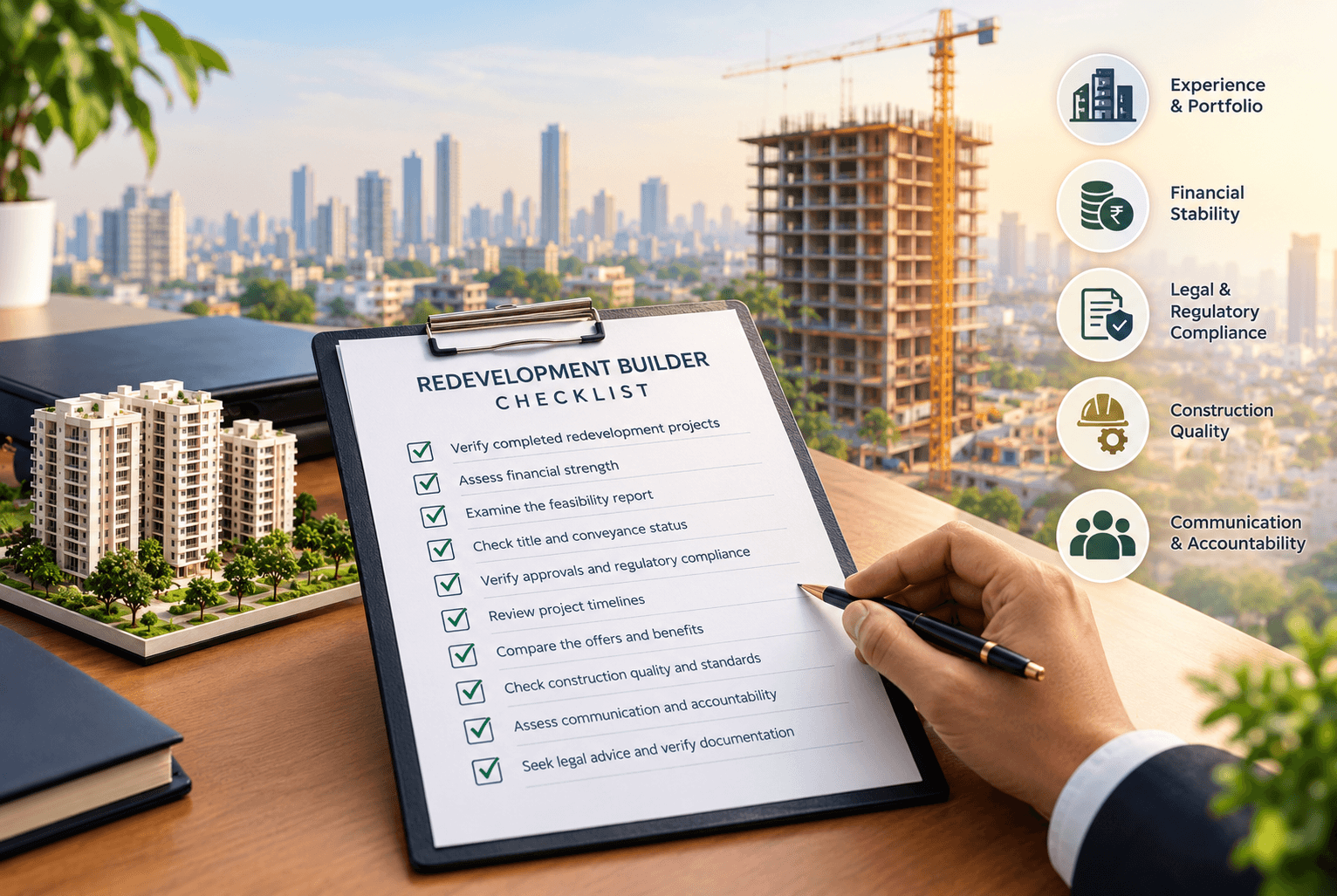
Top Redevelopment Builders in Mumbai: 10 Things Every Housing Society Must ...
Table of ContentsWhy Choosing the Right Redevelopment Builder MattersWhat Makes the Top Redevelopment Builders in Mumbai Stand Out?10 Things to Check ...

Blog
Paradigm Realty
2026-10-18
Beyond Extra Carpet Area: How to Choose the Right Redevelopment Builder in ...
Table of ContentsWhy Mumbai Housing Societies Need the Right Redevelopment PartnerHow to Evaluate the Top Redevelopment Builders in MumbaiUnderstandin...
Blog
Paradigm Realty
2026-10-18
How Infrastructure Development Is Shaping Real Estate Growth in Bandra: Is ...
Table of ContentsIntroduction: Why Infrastructure Matters in BandraHow Major Infrastructure Projects Are Transforming BandraHow Connectivity Influence...